
MetaMask, formerly Consensys Software Inc, is the world's largest self-custodial financial platform, giving people a single place to hold, spend, save and grow their money across both crypto and traditional assets. The company is building the consumer platform where that happens, bringing payments, savings, investing and digital assets together in one seamless experience. Having grown from the world's most widely used self-custodial wallet, MetaMask gives users direct control over their money and assets, with reach across approximately 190 countries. MetaMask has played a foundational role in Ethereum's growth since 2016. Today, MetaMask sits at the center of the blockchain economy, building the operating system for Open Money and putting people in full control of their financial lives.
Read all articles
A memecoin is a digital asset inspired by an internet meme, mascot, celebrity, or online community. Most memecoins have no product, revenue, or practical use, so their value comes almost entirely from attention and hype.
Disclaimer: This guide is for educational purposes only. It is not financial advice, not a solicitation, and not for UK audiences. Memecoins are highly speculative, most lose nearly all their value, and they are not suitable for all users.
How memecoins work
Memecoins are digital assets that can be bought, sold, held, and traded on blockchain networks, like any other crypto token. The difference between a memecoin and other types of cryptocurrencies is what drives their price.
A token like ETH pays for transactions on Ethereum. A governance token like UNI gives holders a vote in Uniswap. A stablecoin such as mUSD is designed to stay worth $1. A memecoin usually does none of these things. Its price typically rises when more people want it, and falls when interest fades.
Three things typically drive that demand:
Community: how many people hold the token, post about it, and recruit others
Narrative: the joke, character, or cultural moment the token is built around
Liquidity: how easily it can be bought and sold without moving the price
Some memecoin projects add NFTs, games, or their own blockchains later, but the token’s price usually still follows attention more than usage. With no underlying business to anchor the price, memecoins can gain or lose most of their value within days, and they rank among the most volatile and high-risk assets in crypto.
Memecoins vs other cryptocurrencies
Consideration | Memecoins | Utility and governance tokens | Stablecoins |
Purpose | Entertainment, community, speculation | Pay for or govern a network or app | Hold a steady value |
Main price driver | Attention and social media | Usage and demand for the network | Peg to an asset, such as the US dollar |
Typical supply | Billions to trillions | Varies | Grows and shrinks with demand |
Volatility | Extreme | High | Low |
Examples | DOGE, SHIB, PEPE, BONK | ETH, UNI | USDC, mUSD |
Many memecoins have supplies in the hundreds of billions or trillions, so one token can cost a fraction of a cent. A low unit price doesn’t make a token cheap, because its market value is the price multiplied by the supply.
Where memecoins came from
The first widely known memecoin, Dogecoin, was created in December 2013 as a joke based on the Shiba Inu “doge” meme. Its creators meant it to poke fun at the wave of new cryptocurrencies at the time, and it runs on its own blockchain. It still built a large community and remains the largest memecoin by market value.
Most memecoins launched as tokens on existing blockchains. For example, SHIB and PEPE are ERC-20 tokens on Ethereum. BONK and many newer tokens are SPL tokens on Solana.
How memecoins are created and launched
Launchpads have made it fast and cheap for anyone to create a memecoin. Pump.fun on Solana, for example, lets anyone create a token, give it a name and image, and start trading right away. Memecoin launchpads often use a bonding curve: a formula where the token prices rises automatically as more people buy it. Once buyers fill the curve, the token “graduates” to a decentralized exchange with a shared liquidity pool.
Why are memecoin prices so volatile?
Memecoin prices can rise or fall by large percentages within hours. Common causes:
Thin liquidity: in a small pool, one large trade moves the price sharply
Concentrated ownership: when a few wallets hold most of the supply, their selling can collapse the price
Social media momentum: one post from a well-known account can cause a spike, and the attention can fade just as fast
Sniper bots: automated bots buy in the first seconds after launch and often sell into the first wave of demand
Common memecoin scams and warning signs
Cheap launches and anonymous creators make memecoins a frequent vehicle for scams.
Scam type | How it works | Warning sign |
Rug pull | Creators pull the liquidity pool or sell their large holdings, leaving buyers unable to sell at a reasonable price | Unlocked liquidity, or a few wallets holding most of the supply |
Honeypot | The contract lets buyers purchase but not sell | Buys go through, but no one outside the creator’s wallets has sold |
Hidden mint or tax functions | The contract lets the creator mint unlimited tokens or charge large fees on each sale | Mint or fee functions the creator controls |
Copycat token | Scammers launch a fake with the same name and ticker as a popular memecoin but a different contract address | A contract address that doesn’t match the project’s official channels |
Governance attack | An attacker buys enough tokens to pass a malicious proposal. On July 6, 2026, BonkDAO lost about 4.4 trillion BONK, worth about $20 million, from its treasury this way | Low voter turnout and no delay between a vote passing and funds moving |
Basic checks include confirming the contract address against the project’s official channels, looking at how much of the supply the top wallets hold, checking whether liquidity is locked, and reviewing the contract for mint and tax functions in a block explorer or token scanner. None of these checks guarantees a token is safe.
How are memecoins traded?
Memecoins can be bought, sold, or traded via decentralized exchanges (DEXs), launchpads, trading bots, and some centralized exchanges (CEXs). For example, MetaMask is a leading self-custodial wallet that supports memecoin trading across Ethereum, Solana, Robinhood, and other networks natively inside the app. With small, fast-moving tokens, fees, slippage, and frontrunning can add to the cost of a trade. For a comparison of swap platforms, see best crypto swap platforms 2026.
- LATEST
MetaMask Card x Blackbird: Dine like an insider
Restaurant lovers, your card unlocks priority access.
- LATEST
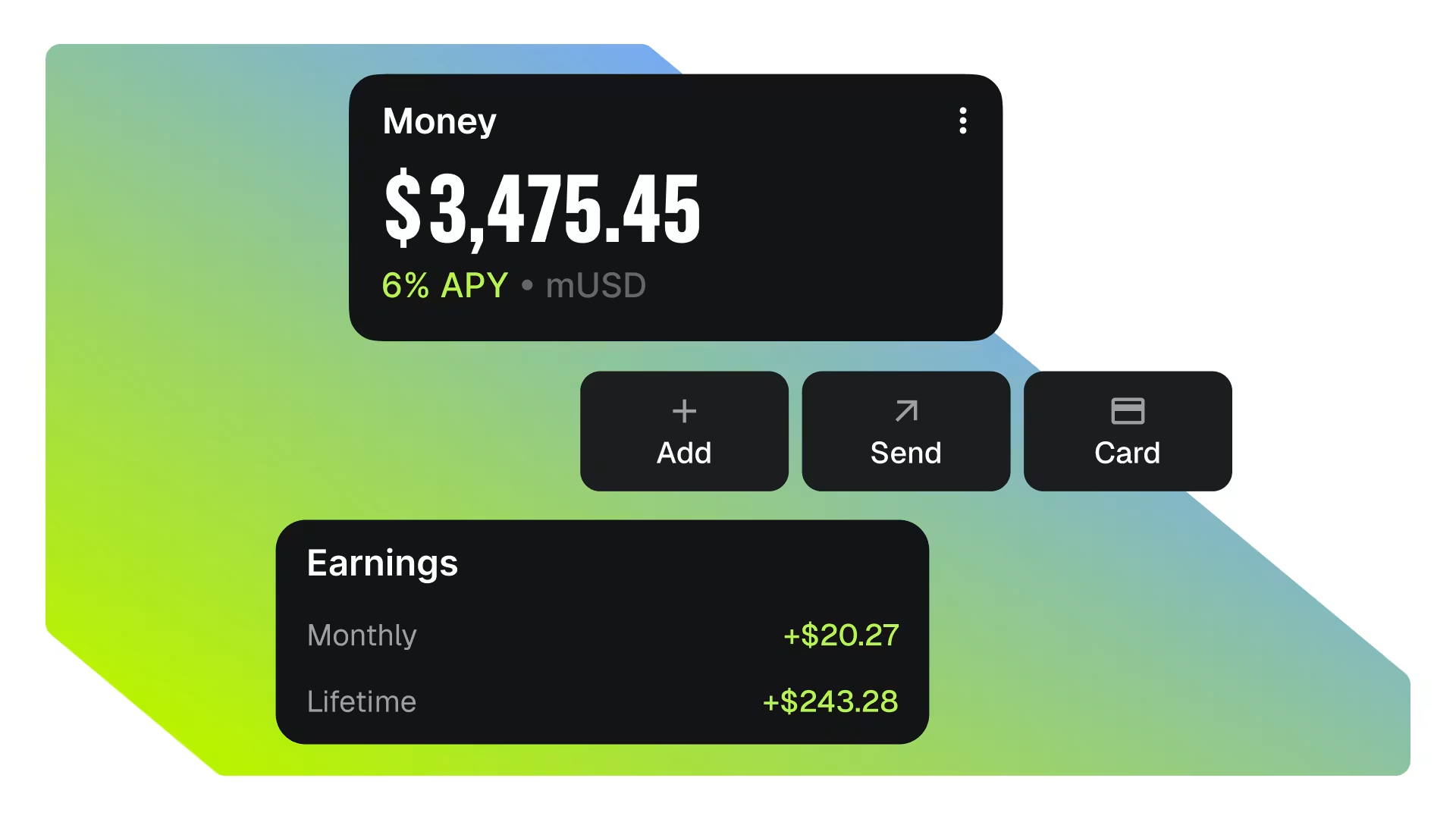
Introducing MetaMask Money Account
Earn up to 6% APY automatically as you trade, send, and spend. Turn your money on.
- ALPHA
Anthropic's IPO range is $70–$78; onchain markets are pricing above it
With the AI IPO roadshow underway, reports say it's oversubscribed multiple times. The pre-IPO perp is moving, and Polymarket odds have moved toward pricing above the range.
